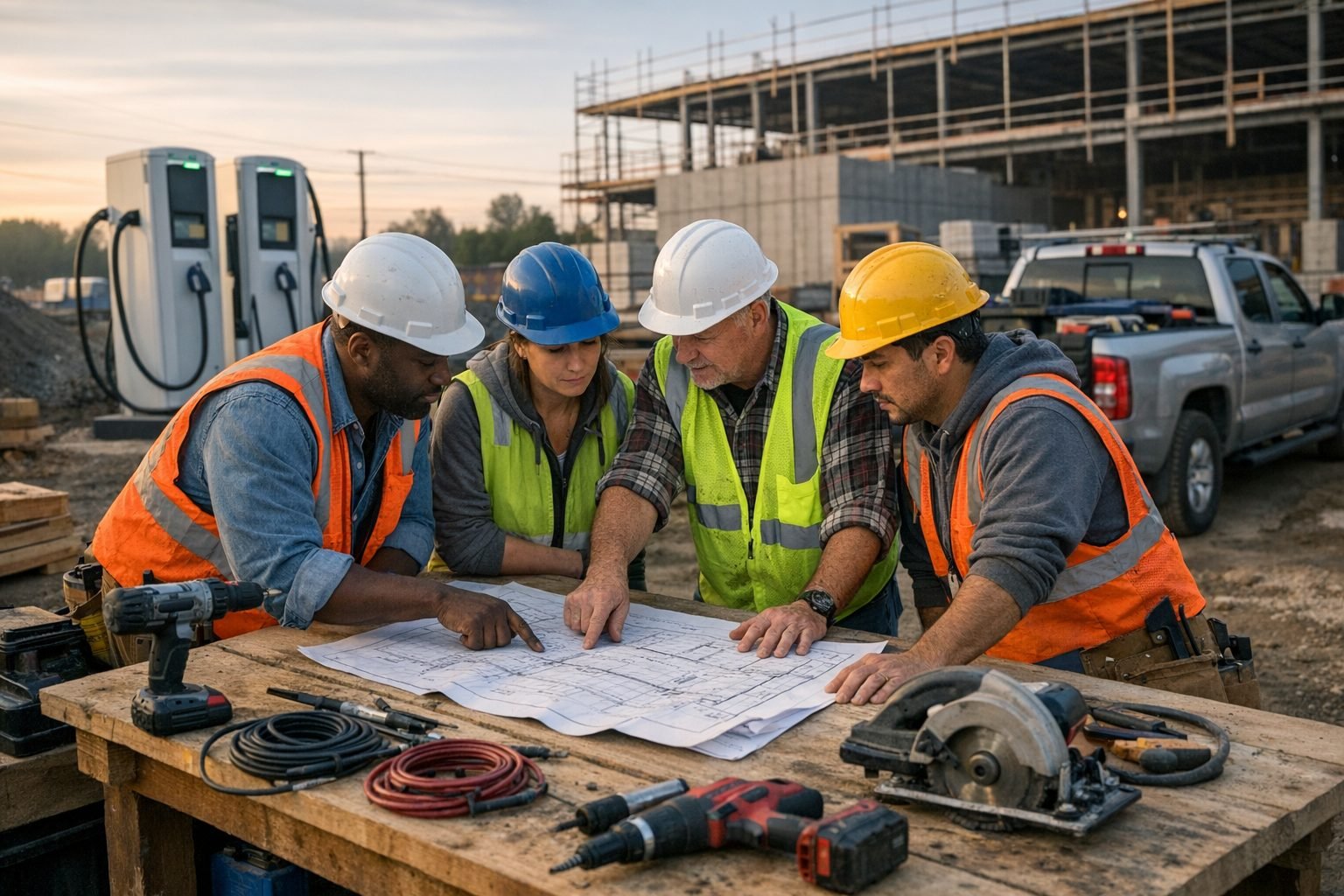
The construction industry is on the brink of significant changes as electricity consumption in the U.S. is projected to rise dramatically in the coming decades. According to the National Electrical Manufacturers Association (NEMA), annual electricity consumption is expected to increase by over 55% by 2050, with the most substantial growth occurring in the current decade. This surge presents both challenges and opportunities for contractors, particularly in sectors heavily reliant on electricity, such as data centers and electric vehicle (EV) infrastructure.
Projected Growth in Electricity Consumption
NEMA's report indicates that U.S. net electricity consumption will grow from approximately 3,936 terawatt-hours (TWh) in 2024 to an impressive 6,130 TWh by 2050. One of the most striking aspects of this forecast is the anticipated 300% increase in electricity consumption by data centers over the next decade. This growth is primarily driven by the expansion of hyperscale data centers and the increasing energy demands of artificial intelligence workloads.
Impact on the Construction Industry
For contractors, understanding these trends is crucial. The construction of data centers will require specialized knowledge of electrical systems and infrastructure to accommodate the high energy demands. Moreover, the expected growth in electric vehicles — projected to reach around 51 million by 2035 — will necessitate extensive EV charging infrastructure, presenting another avenue for construction projects. Here are some key points for contractors to consider:
- Data Center Construction: With data centers anticipated to account for 38% of net electricity consumption by 2037, contractors should prepare for projects that require enhanced electrical systems and energy-efficient designs.
- EV Infrastructure: As the market for electric vehicles expands, contractors will need to focus on installing charging stations and related infrastructure to support the growing demand.
- Energy Efficiency: Incorporating energy-efficient practices in construction projects will be essential to meet new standards and reduce overall consumption.
Regional Growth Areas
The report highlights that the most significant growth in data center demand will occur in the mid-Atlantic and Texas regions, while the Northeast and West will experience substantial growth in electric vehicle adoption. Contractors should pay attention to these regional trends to align their services with market demands.
Adapting to Challenges and Opportunities
As the demand for electricity grows faster than the existing grid can expand, contractors face challenges that must be addressed strategically. Here are some common mistakes to avoid:
- Underestimating Demand: Failing to account for the rapid increase in electricity consumption can lead to inadequate planning and execution of projects.
- Ignoring Renewable Energy Sources: Embracing renewable energy technologies such as solar and wind will be crucial in meeting future demands and reducing reliance on traditional energy sources.
- Neglecting Infrastructure Upgrades: Contractors must be proactive in integrating advanced technologies and infrastructure improvements to enhance system capacities.
Actionable Takeaways for Contractors
To navigate the evolving landscape of electricity consumption in construction, contractors should consider the following actionable steps:
- Stay informed about industry trends and forecasts related to electricity consumption and energy demands.
- Invest in training and resources focused on energy-efficient construction practices and technologies.
- Collaborate with utility companies and energy experts to design solutions that meet the anticipated demands of data centers and EV infrastructure.
- Explore opportunities for integrating renewable energy sources into construction projects to enhance sustainability.
Conclusion
The projected growth in U.S. electricity consumption presents both challenges and opportunities for contractors. By understanding these trends and adapting their strategies accordingly, contractors can position themselves for success in a rapidly evolving market. Embracing energy-efficient practices, staying informed about regional demands, and investing in infrastructure upgrades will be key to thriving in the future construction landscape.