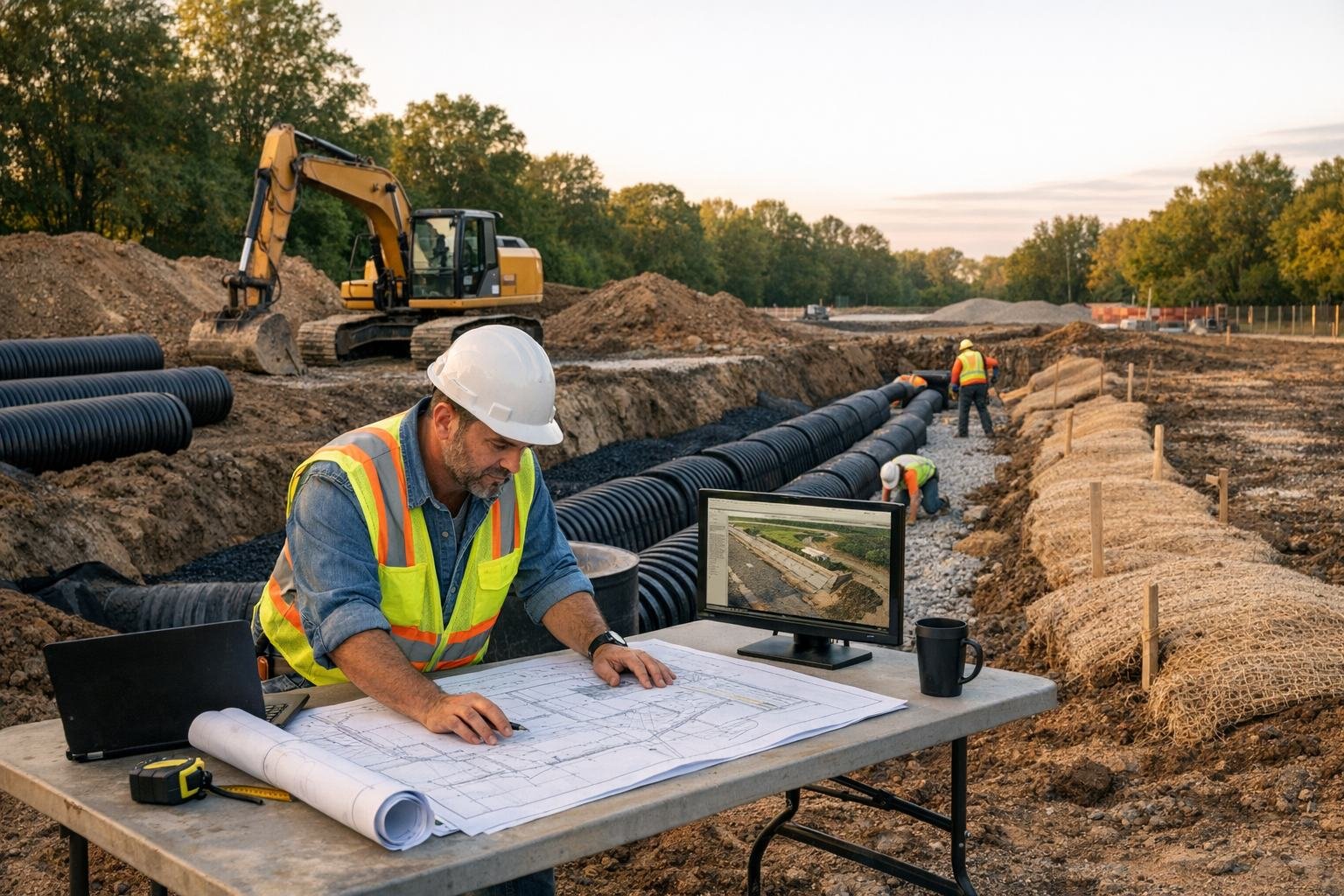
Understanding Stormwater Management
Stormwater management is a critical aspect of urban infrastructure, particularly in areas prone to flooding. The recent $518 million project in Virginia Beach illustrates the importance of effective stormwater strategies. This project aims to safeguard neighborhoods from flooding by enhancing drainage capabilities and reducing stormwater runoff.
Project Overview and Objectives
The Windsor Woods, Princess Anne Plaza, and The Lakes Stormwater Improvements project is designed to tackle the flooding challenges in low-lying regions of southeastern Virginia. Key components include:
- Construction of large pump stations
- Installation of tide gates to mitigate tidal impacts
- Development of flood barriers
- Upgrades to existing drainage channels
This initiative not only aims to protect residential areas but also to improve overall urban resilience against climate-related threats.
Collaboration and Planning
Effective stormwater management requires extensive collaboration among stakeholders. Over two years, FlatironDragados worked with the city of Virginia Beach and design partner Arcadis to develop a comprehensive plan. This collaboration included:
- Assessing local flooding vulnerabilities
- Designing effective drainage solutions
- Engaging with community members for input
The thorough planning process was essential in addressing the unique challenges of the area.
Implementation Strategies
Implementing a stormwater management project involves several critical strategies:
- Site Assessment: Evaluate the topography and existing drainage systems to inform design.
- Innovative Design: Integrate advanced technologies such as automated pump systems and effective storage solutions.
- Community Engagement: Keep residents informed and involved to build support for the project.
These strategies ensure that projects not only meet technical standards but also serve community needs.
Concrete Examples of Success
FlatironDragados has a proven track record in resiliency projects across North America. Notable examples include:
- The $1.7 billion Battery Park City Resiliency project in New York City
- The $251 million Hudson River Resiliency project in New Jersey
- The $102 million Storm Surge Upgrade project in Port Arthur, Texas
These projects exemplify the company’s commitment to building infrastructure that can withstand climate threats and protect communities.
Common Mistakes to Avoid
Contractors engaging in stormwater management projects should be aware of common pitfalls:
- Underestimating Local Conditions: Failing to thoroughly assess local flooding patterns can lead to ineffective solutions.
- Poor Communication: Not keeping stakeholders informed can result in community pushback and project delays.
- Neglecting Maintenance Planning: Implementing solutions without a maintenance strategy can compromise long-term effectiveness.
Avoiding these mistakes can significantly enhance project outcomes.
Conclusion
As demonstrated in the Virginia Beach stormwater management project, effective planning, collaboration, and execution are key to addressing flooding challenges in urban environments. By leveraging successful strategies and learning from past experiences, contractors can contribute to building resilient communities and safeguarding infrastructure.